Author’s Note: When I started this blog, one of my first series was about women in conservation, inspired by Stefanie Powers and her lifetime of dedication to protecting flora and fauna and the ecosystems they inhabit. Four years later, I am inspired once again by Ms. Powers and the recent launch of an agroecology lab at the William Holden Wildlife Foundation and in her honor, I’ve created this new series for Women’s History Month. Over the next 31 days, I will not only introduce you to women who are the vanguard of agriculture both past and present, but to the obstacles women still face when working in the sector and what is being done to overcome them. I hope I can educate and inspire you.
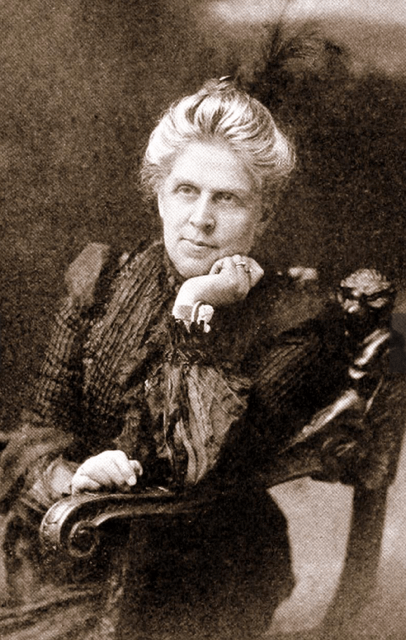
Born in New York in 1844, Harriet Williams Russell Strong did not intend to become an entrepreneur and famous walnut producer, but that is exactly what happened. Her parents moved to the California-Nevada border at the height of the mining boom, and she married Charles Strong at the age of 19; they purchased a 320 acre farm and started a family. Twenty years later, Charles committed suicide over multiple business failures, leaving Harriet with four children to care for. At the time, the wheat industry in the southwest had been decimated due to competition from the midwest, Australia and Russia, so farmers in the region began planting fruits and nuts. Knowing she needed to revive the family farm, but also acknowledging she knew nothing about farming, Harriet began to discuss the subject with the locals. She found that the men were more willing to talk to her than they were with each other, because they didn’t take her seriously as competition. Armed with her newfound knowledge, she took a $4000 loan and planted walnut trees on her property. While waiting for them to mature, she planted fast growing pampas grass, which she sold to milliners for decorating their hats. Within five years she was not only out of debt, but she was a millionaire.
Harriet Strong could have stopped there. She had provided well for her family and beaten the misogynistic farmers at their own game, what else was left to accomplish? Plenty. Crops like walnuts take massive amounts of water to flourish, a resource that has always been scarce in the region, and she devoted her time to designing dams that could hold overflow water from floods. She also lobbied Congress and told them it was their patriotic duty to ensure that as much of the nation was arable as possible. When she met resistance to her plan for a dam in the Grand Canyon and a canal connecting the Colorado River to southern California she argued that it would not only strengthen agriculture but would allow for electricity in regions that had been ignored by the power companies. She directly lobbied Woodrow Wilson in 1917 and Congress in 1919 to create water storage systems and to provide water to southern California. Sadly, Harriet Strong died in a car wreck in 1926, two years before a $165 million bill was passed to construct the Hoover Dam and the All-American Canal, but her legacy lives on in those who continue to fight for water rights in California to this day.
Sources:
womenofthehall.org/inductee/harriet-williams-russell-strong
wisarchive.com/post/who-controls-the-water-harriet-strong-the-pampas-queen-and-the-future-of-irrigation
 I Am A Voice For The Voiceless