When I started this blog nearly four years ago, I did so with the goal of educating myself and my readers. While I try to maintain a “climate positive” outlook with my articles but sometimes I find information that makes it difficult to keep my perspective – what I’m about to share is infuriating and so ridiculous that I thought it had to be fake news until I confirmed it over multiple sources. You can’t make this stuff up.
The 2025 United Nations Climate Change Conference – COP30 – will be held from November 10th to the 21st in Belem, Para, Brazil and the governor, Hedler Barbahlo, promised to give the attendees an unforgettable experience that focuses on the city’s sustainability.
How did he propose to do this?
BY BUILDING A FOUR LANE HIGHWAY THROUGH A PROTECTED CONSERVATION AREA!!!
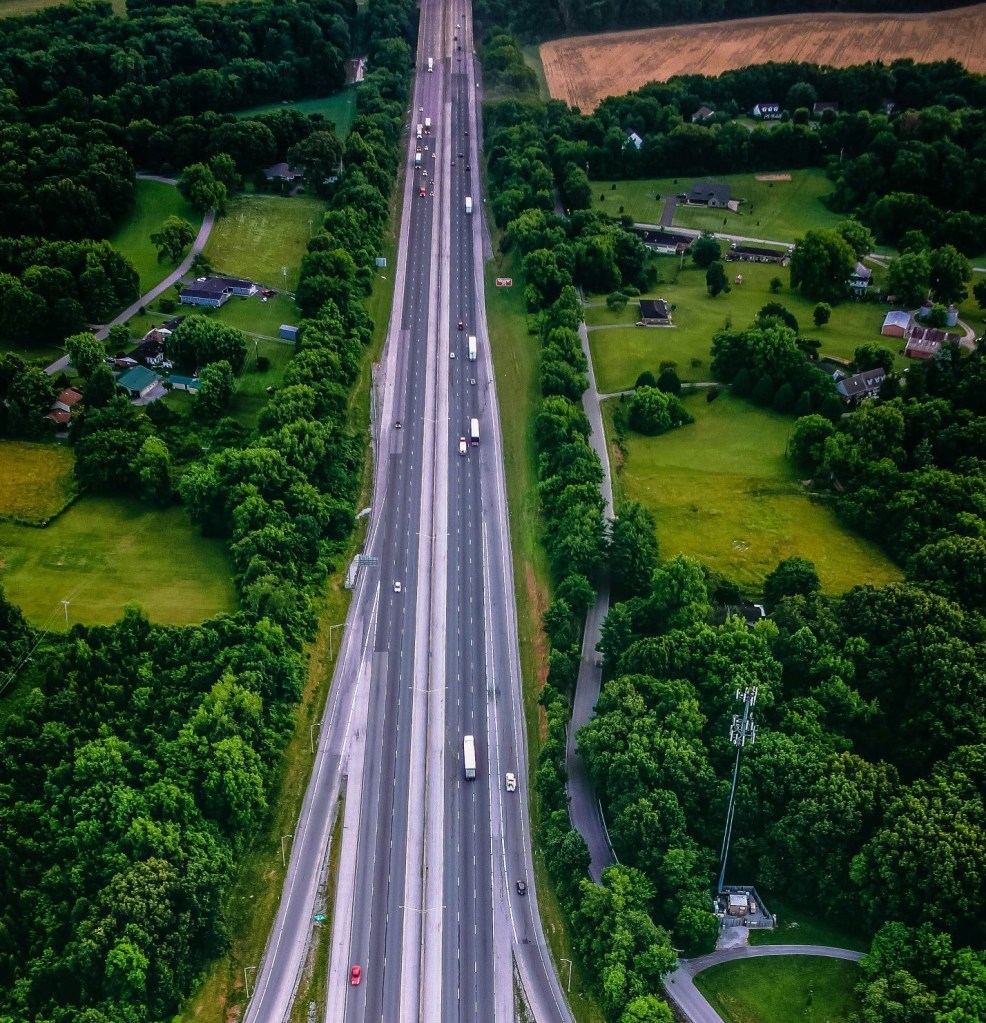
Now you know why I thought this was satire at first, but the Babylon Bee isn’t that talented. Government officials greenlit the formation of an 83 mile four-lane highway called the Avenida Liberdade last year and broke ground on it on June 15th. It’s meant to relieve congestion on the heavily travelled Br-136 into Para, but it will cut through the 18,427 acre Belem Environmental Protection Area (APAB), which negates any possible benefits on several fronts. The route will cut off the APAB from Utinga State Park which will disrupt migratory patterns that are essential to protect the area’s biodiversity- worse still, the disruptions could lead to extinctions of several species. There is very little natural vegetation (meaning that which hasn’t been planted) in the region and even the slightest amount of deforestation could negatively impact the already fragile ecosystem, but if you can’t make an omelet without breaking eggs, you certainly can’t build a freeway without cutting down trees, so the damage is probably already a fait accompli.
Since clearcutting is inevitable, you’d assume there would be plans to replace the trees and mitigate the damage, but you’d be wrong. Para is fifth amount the state capitals in lost urban vegetation of at least 500 hectares (a little over 1200 acres) but their solution to the problem is virtually nonexistent, except in the city center, where their idea is so ridiculous it defies logic at every level. Conceived of by architect Naira Carvalho, 100 “eco trees” have been “planted” at two parks (which are really just paved over canals) in the center of Belem. They are made from rebar scraps left over from construction sites that are covered in vines and festooned with hanging baskets – you can see how ugly they are here. Ms. Carvalho was inspired by the Singaporean Supertrees but there is, in reality, no comparison between the two projects, as the supertrees support air exhaust vents, rainwater collection systems and solar panels. Those responsible have promised to replace the trees with real ones but there’s no timeline for doing so, if it even happens.
As if this physical degradation isn’t bad enough, the toll it takes on the population is equally bad. The Avenida Liberdade impacts a group of descendants of Afro-Brazilian slaves that live within a mile of the highway. They insist they weren’t consulted or fairly compensated for the disruption of their culture and livelihoods; of course the government insists otherwise, claiming that they obtained input before starting the project and that the highway will benefit everyone, but the APAB residents have heard hollow promises before, most recently when the Equatorial Energia power substation was built on their land. They know better than to trust the government, but when indigenous activists speak out, they are threatened and victimized by those in power. A handful of indigenous people have been invited to speak at COP30 but not in any way that meaningfully ensures that all voices are heard.
Something tells me that nobody who attends the conference will be willing to address these issues, even with a stage that can bring international attention to such an environmental disgrace.
Perhaps that is the worst tragedy of all.
Sources
Brown, Sarah. “To Host 2025 Climate Summit, Brazil Will Carve Up An Amazonian Reserve” Mongabay. July 23, 2024. https://news.mongabay.com/2024/07/to-host-2025-climate-summit-brazil-will-carve-up-an-amazonian-reserve/
Langlois, Jill. “Concerns About Infrastructure And Lack of Indigenous Representation At COP30 Abound” Sierra Club. November 25, 2024. https://www.sierraclub.org/sierra/concerns-about-infrastructre-and-lack-of-indigenous-representation-at-COP30-abound
Neto, Guilherme Guerreiro. “Belem’s Fake Trees Highlight Contradictions of Amazon’s COP30” Sumauma. April 4, 2025. https://sumauma.com/en/arvores-fake-sao-a-nova-invencao-antiecologica-do-governo-do-para-para-receber-a-cop30/
 I Am A Voice For The Voiceless