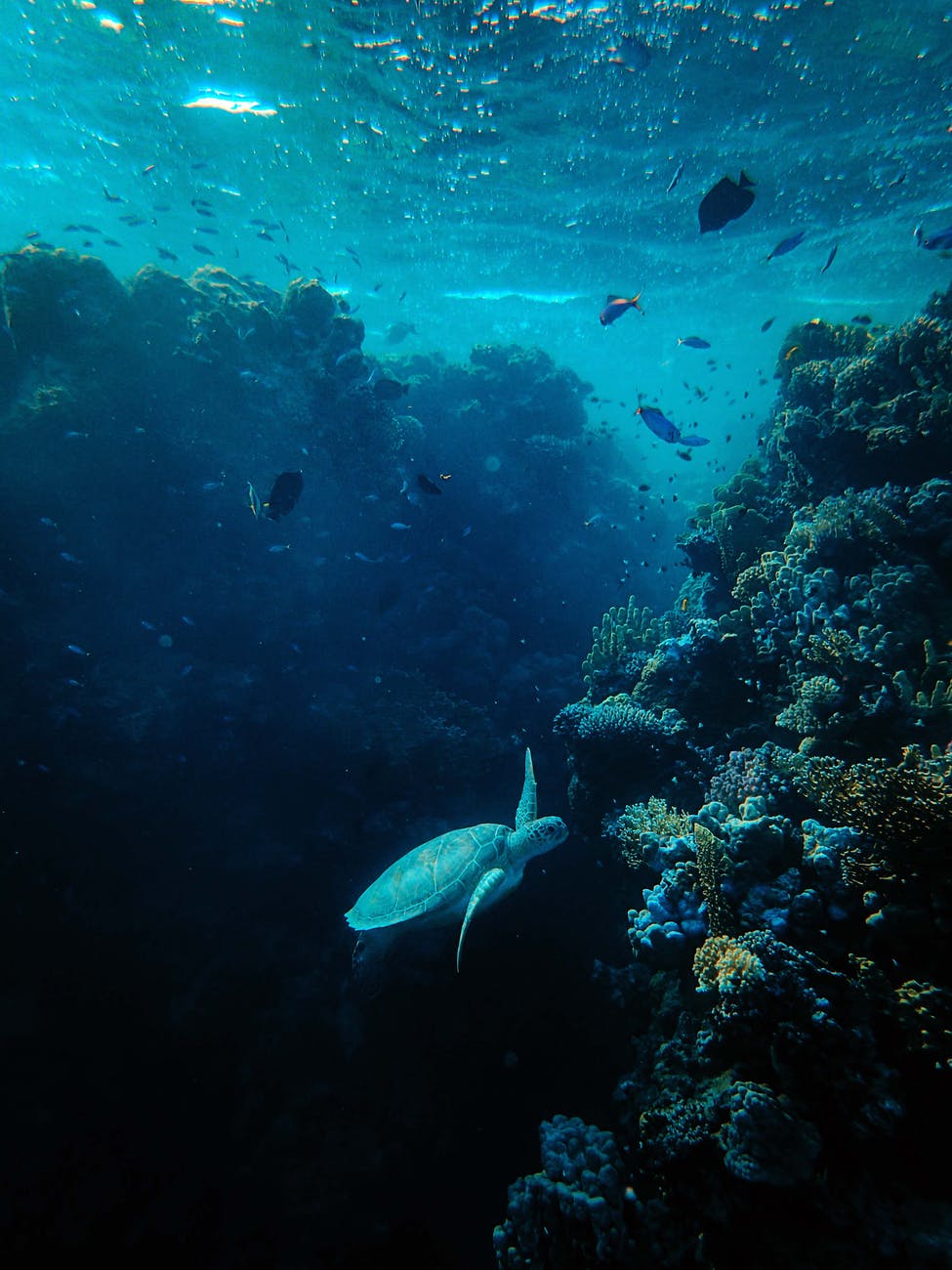

Photo – Redcharlie @Unsplash.com
Today is World Elephant Day, and there is infuriatingly tragic news out of Amboseli National Park in Kenya. Between June 24th and July 24th, fifteen elephants were found dead or dying in the Kimana sanctuary and the Kuku Group ranch on the outskirts of the park. All but one of the victims were females and their calves, and five had been dead long enough to be scavenged. The ten that were still alive were partially paralyzed and died within two days. The Kenya Wildlife Service performed necropsies and found cyanide in their blood and tomatoes in some of their stomachs. Whether the poisoning was the work of poachers or farmers remains to be seen but the Route To Food Initiative (a Nairobi based food rights/agroecology group) has reported on cyanide use as a pesticide in the region before, and poachers in Zimbabwe have used cyanide to take down elephants for their ivory before. Whatever happened, it underscores just how dangerous human-wildlife conflict is.
The IUCN Conflict and Coexistence Specialist Group defines human wildlife conflict as “struggles that emerge when the presence or behavior of wildlife poses an actual or perceived, direct and recurring threat to human interests or needs leading to disagreements between groups and negative impacts on people and/or wildlife.” The way I understand it, there are two levels to human wildlife conflict – one is based on the very real driver of habitat loss due to agricultural expansion, infrastructure development and population growth. The other hinges on the word “perceived” in the IUCN definition. We tend to anthropomorphize animals to the point where we see them as extensions of ourselves and therefore interpret their instincts as either good or evil. We think of them as “attacking” or “threatening” us, when more often than not, it’s the other way around. I personally experienced this while on vacation in Hilton Head, SC in 2021. There was a larger than usual influx of stingrays and with them came a shiver of lemon sharks. Their primary diet iis bony fish and stingrays, so the shallow warm waters were a veritable smorgasbord for them. Lemon sharks are docile and won’t pay any attention to humans unless they’re threatened, but tourists started panicking because they perceived sharks as man eating monsters (thank you Peter Benchley and Stephen Spielburg). The perception of danger is oftentimes worse than the actual threat and some scientists have called for changing the language we use when discussing these interactions. Researchers at NC State studied a number of publications and determined that most of them used the term “human wildlife conflict” more often than not to describe the damage done to livestock and crops. Direct attacks were rare. They suggest using terms like “human wildlife coexistence” to alleviate the panic involved when wild animals encroach upon human territory (or is it the other way around?). There are many types of solutions ranging from beehive fences to translocation and use of drones to allow for early warning systems, and they have all been moderately successful in protecting Kenya’s elephants. The best protection will always be education. Please pass this information on and help others learn of the need to protect the world’s wildlife from human encroachment.
Sources
iucn-issue-brief-human-wildlife-conflict_final.pdf
Petersonetal_2010_cl.pdf
news.mongabay.com/2026/08/thermal-drones-deployed-in-kenyas-amboseli-park-to-tackle-human-elephant-conflict
the guardian.com/environment/2026/jul/30/elephant-deaths-kenya-park-cyanide-poisoning-wildlife
cbsnews.com/news/kenya-elephant-deaths/amboseli-national-park-investigation
As always a really informative and eye opening article. Thank you for your continued dedication to keeping the public aware as to what is happening.